Chargeback Alerts: How to Stop and Recover Disputes Automatically
How chargeback alerts work, what Ethoca and Verifi RDR actually do, what they cost, and how to combine alerts with automated representment to recover online chargebacks without manual work.
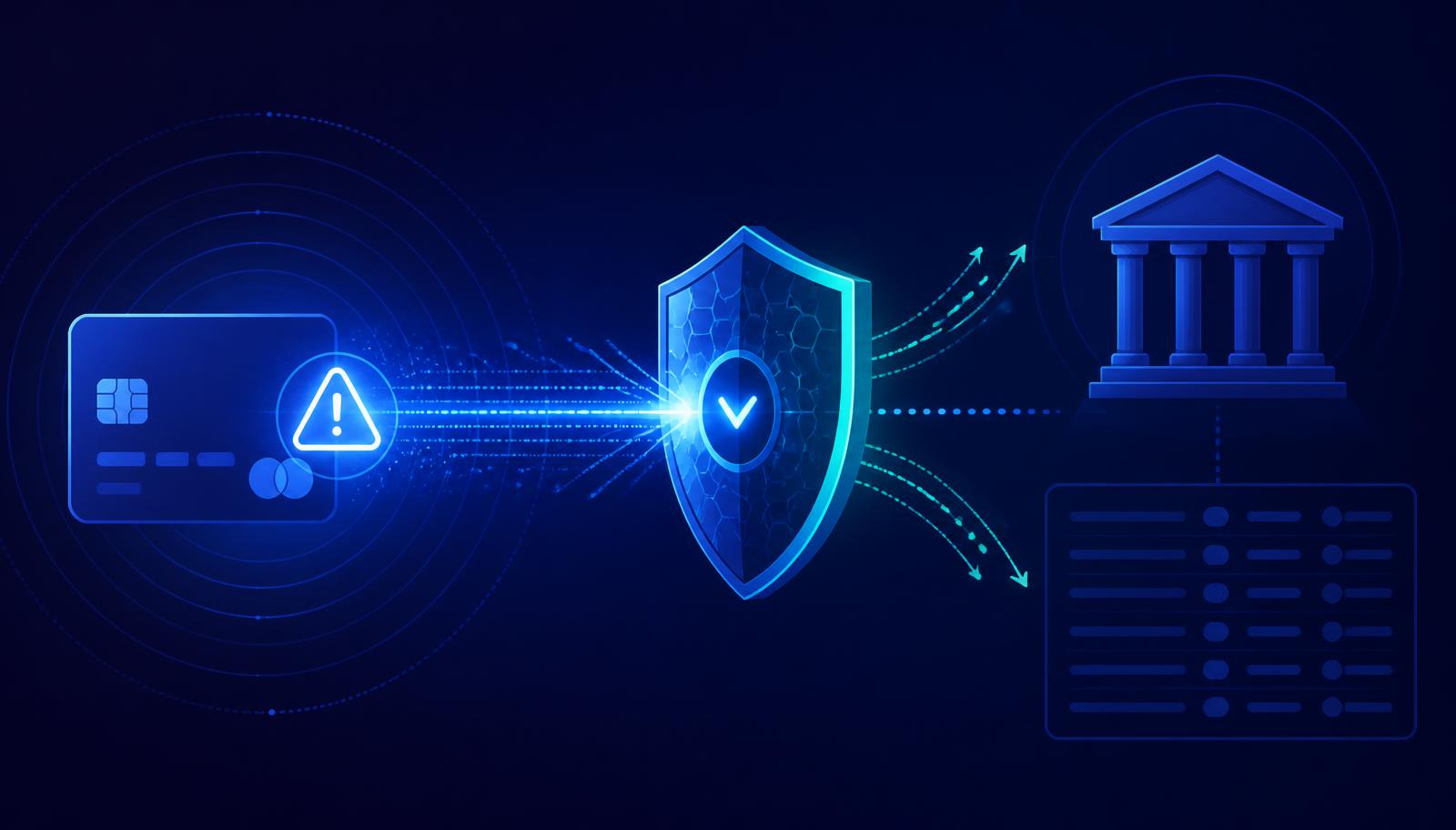
A chargeback alert is a near-real-time notification that a cardholder has disputed a transaction with their bank, sent to the merchant *before* the dispute becomes a formal chargeback. It buys you a short window — usually 24 to 72 hours — to refund the order, cancel a pending shipment, or let the case proceed to representment on purpose rather than by accident.
Alerts are the front half of automatic chargeback recovery. The back half is automated representment: pulling the dispute, assembling evidence and submitting a response through the processor's API. Used together, they are the closest thing that exists to recovering online chargebacks automatically. Used alone, alerts quietly refund revenue you would have won.
How chargeback alerts work
When a cardholder calls their issuing bank to dispute a charge, the issuer creates a case in its internal system. Two networks sit between that moment and the formal chargeback:
- Ethoca (Mastercard) — collects dispute and confirmed-fraud notifications from participating issuers and forwards them to enrolled merchants.
- Verifi (Visa) — operates Cardholder Dispute Resolution Network (CDRN) alerts and Rapid Dispute Resolution (RDR), which resolves eligible disputes by rule before a chargeback is ever created.
Coverage depends on issuer participation, not on your effort. No alert network covers every issuer, every card brand or every dispute type, so treat alerts as a filter that catches a share of your volume — not a wall.
Alerts vs RDR
| Alerts (Ethoca / CDRN) | RDR (Verifi) | |
|---|---|---|
| What happens | You are notified; you decide | Refund issued automatically by rule |
| Response window | 24–72 hours | None — instant |
| Merchant control | Full: refund, or fight it | Rule-based only |
| Chargeback avoided | Yes, if you refund in time | Yes |
| Best for | Mixed volume where some cases are winnable | Low-value orders not worth fighting |
What alerts cost — and when they pay for themselves
Alert pricing is typically per alert received, not per chargeback avoided, and it is charged whether or not the alert was useful. Add the refund you issue on top and the true cost of one alert is the alert fee plus the full order value.
That maths only works when the alternative is worse. The alternative is: the dispute fee (retained win or lose), the order value if you lose, the goods already shipped, and one more entry in your chargeback ratio. So:
- Refund via alert when the order is low-value, the evidence is weak, the goods have not shipped, or your dispute ratio is close to a monitoring-program threshold.
- Let it become a chargeback and fight it when the order is high-value, delivery is confirmed to the AVS-matched address, and the reason code is one you win.
The decision is mechanical, which is exactly why it should be automated rather than made case by case by whoever opens the inbox.
Alerts do not recover money — representment does
This is the part most alert vendors are quiet about. An alert can only *prevent* a chargeback by refunding the customer. You keep the dispute fee and protect your ratio, but the revenue is gone either way.
Money comes back only through representment: submitting evidence to the issuer that the transaction was legitimate and the cardholder's claim is unsupported. That is where automation earns its keep, because representment is repetitive, deadline-bound and evidence-heavy:
1. Ingest the dispute by webhook the moment the processor creates it. 2. Classify the reason code into a response strategy — fraud, product not received, product unacceptable, subscription cancelled, duplicate. 3. Assemble order records, AVS and CVV results, IP and device data, delivery confirmation, customer messages and policy acceptance. 4. Draft a rebuttal that answers the specific reason code and cites only evidence that exists. 5. Submit the response and attachments back through the processor API well before the deadline.
A team that responds to 100% of disputes with complete evidence recovers materially more than a team that wins a higher percentage of the few disputes it gets around to answering. Response rate beats win rate almost every time.
Building an automatic recovery workflow
A workflow that recovers online chargebacks with no manual step looks like this:
- Enroll in alerts for the networks your card mix justifies, and route every alert into one system rather than an email inbox.
- Set auto-refund rules by order value, product type, shipment status and dispute ratio — for example, auto-refund unshipped orders under $75.
- Let everything else flow to representment automatically, with evidence assembled at ingestion rather than at deadline.
- Require human approval only above a value threshold or on reason codes with unusual evidence.
- Reconcile outcomes back to the original order so win rate is measurable per reason code, per processor and per product.
Metrics that tell you it is working
- Response rate — share of disputes answered before the deadline. Target 100%.
- Time to response — hours from dispute creation to submission. Target under one hour, unattended.
- Win rate by reason code — the only number that reveals which evidence gaps to close.
- Alert-to-refund ratio — how many paid alerts turned into refunds you would not otherwise have issued. If this is high, your alert spend is subsidising customers who were never going to file.
- Net recovered revenue — recovered amount minus dispute fees, alert fees and refunds. This is the number that decides whether the whole programme is worth running.
Common mistakes
- Refunding every alert. It looks like a clean win rate and it is an expensive one. Winnable disputes get refunded away.
- Treating alerts as prevention. Alerts arrive after the customer has already given up on you. Real prevention is clear billing descriptors, responsive support, accurate delivery estimates and easy cancellation.
- Double refunds. Refunding an order that is already in representment can result in paying twice. Alerts and disputes must live in the same system with the same status.
- Ignoring the dispute fee. It is retained regardless of outcome, which is why avoiding disputes still matters even when you win them.
Frequently asked questions
What is a chargeback alert? A near-real-time notification from a network such as Ethoca or Verifi that a cardholder has disputed a transaction, giving the merchant 24–72 hours to refund before a formal chargeback is created.
Do chargeback alerts stop chargebacks? They stop the ones you act on in time, from participating issuers only. They do not cover every dispute, and refunding is the only way an alert prevents the chargeback.
Are chargeback alerts worth the cost? They are when the avoided dispute fee and ratio impact exceed the alert fee, typically on low-value or unshipped orders. On high-value orders with strong delivery evidence, fighting the dispute usually returns more.
Can chargebacks be recovered automatically? Yes — ingestion, evidence assembly and submission can run without human input through processor APIs. Most teams keep manual approval on high-value cases.
What is the difference between an alert and RDR? An alert notifies you and lets you decide; Rapid Dispute Resolution refunds eligible transactions automatically by pre-set rule with no merchant decision.
Do alerts affect my chargeback ratio? Resolving a dispute via alert or RDR prevents the chargeback from counting toward your ratio, which is often the main reason merchants enroll.
---
RecovraFlow syncs disputes from Stripe and PayPal the moment they are created, assembles the evidence and drafts a reason-code-specific response for review — so the recovery half of the workflow runs without anyone watching a deadline.